HomeBusiness lawBusiness formation and structuring
Starting and structuring a business
Business formation and structuring solicitors in Scotland
Setting up a business means making decisions that are hard to undo later. We help you choose the right structure, set it up properly and put the key agreements in place from day one.

The right structure from day one
Each structure suits a different kind of business. We help you choose, then set it up properly.
Why your structure matters
The structure you choose affects how your business is taxed, who is liable for its debts, what you must file publicly and how easy it is to bring in investors or sell later. Getting it right at the start is far cheaper than restructuring once the business is trading.
We take time to understand what you want from the business: how fast you expect it to grow, whether you are working alone or with others, how much risk you are taking on and what your plans are for the future. We work alongside your accountant so the legal structure and the tax position fit together.
The main business structures in Scotland
Each structure suits a different kind of business. These are the options we most often advise on.
- Sole traderSimple to start and run, with few formalities. You and the business are the same in law, so you are personally liable for all business debts.
- PartnershipTwo or more people in business together. In Scotland a partnership is a legal person in its own right, but the partners remain personally liable for its debts. A written partnership agreement is essential.
- Limited partnershipAt least one general partner with unlimited liability and one or more limited partners whose liability is capped at their contribution. Often used for investment and property ventures.
- Limited liability partnership (LLP)Combines the flexibility of a partnership with limited liability for its members. Common for professional practices.
- Private limited companyA separate legal entity owned by shareholders and run by directors. A shareholder’s liability is generally limited to any amount unpaid on their shares, and a company is often the best vehicle for growth, investment and an eventual sale.
Setting up a limited company properly
Incorporating a company online can take minutes, but a company formed on default terms often stores up problems for later. We make sure the company is set up to match how you actually intend to run it.
- Choosing and checking the company name
- A Scottish registered office address
- A registered email address for Companies House
- Tailored articles of association
- Share classes and who holds what
- Director appointments and identity verification
- Registers, including people with significant control
- A shareholders’ agreement between the owners
- Service agreements for working directors
- The lawful purpose statement on incorporation
Since 4 March 2024, every company must have an appropriate registered office address and a registered email address, and the people forming a new company must confirm it is being formed for a lawful purpose. Since 18 November 2025, identity verification with Companies House has been a legal requirement for directors and people with significant control. New directors need to verify before they are appointed, so it is worth building this into your timetable.
Structuring for growth, investment and exit
Structuring is not only for new businesses. As a business grows, the original set-up can stop working. We advise on changes such as:
- Incorporating an existing businessMoving a sole trader or partnership business into a new company, including contracts, employees, leases and assets.
- Holding company structuresSeparating trading risk from valuable assets such as property or intellectual property.
- Different classes of sharesGiving flexibility over voting, dividends and capital for founders, family members and investors.
- Bringing in new ownersIssuing shares to investors or key staff, with the right protections for everyone.
If you are thinking about selling in future, the structure you choose now can make a real difference to how smoothly that sale goes and how the proceeds are taxed.
At a glance
- Structures
- Sole trader, partnership, limited partnership, LLP or private limited company
- Scots law
- A Scottish partnership is a legal person separate from its partners
- Companies House
- Directors and people with significant control must verify their identity
- Tax
- Corporation Tax is 19% on profits up to £50,000 and 25% above £250,000
Tell us about your plans and who is involved, and we will explain which structure fits and what it takes to set it up.
Book a free* consultation0141 471 9166*Free initial consultation of up to 30 minutes.How we help you set up
- A free* 30-minute consultationWe talk through your plans, who is involved and what you want to protect.
- Advice on the right structureWe explain the options in plain English and work with your accountant on the tax position.
- Set-up and documentsWe form the entity and prepare the articles, agreements and registers it needs.
- Ongoing supportWe can help with Companies House filings, changes in ownership and future restructuring.
Questions we are often asked
Should I be a sole trader or a limited company?
It depends on your profits, your appetite for risk and your plans. A sole trader business is simpler, but you are personally liable for its debts. A limited company protects your personal assets in most situations and can be more tax efficient as profits grow. We will talk you through both with your accountant.
Can you form the company for me?
Yes. We can incorporate the company, prepare tailored articles, issue the shares and set up the statutory registers, as well as preparing a shareholders’ agreement.
Do I need a shareholders’ agreement if I own all the shares?
Not straight away. As soon as there is a second shareholder, an agreement is strongly recommended because it covers what the articles do not, such as what happens if someone wants to leave.
What is the difference between a partnership and an LLP?
In a general partnership the partners are personally liable for the firm’s debts. In an LLP the members’ liability is limited, although an LLP has more filing and disclosure obligations.
Do directors need to verify their identity?
Yes. Directors and people with significant control must verify their identity with Companies House, and a new director must do so before being appointed.
Can I change my structure later?
Yes. Businesses often incorporate or restructure as they grow. There can be tax and practical consequences, so it is best to plan the change with legal and accounting advice.
Get in touch
Speak to a senior business solicitor
Every business matter is different, so we start by listening. Tell us what you are dealing with and we will give you clear, practical advice and an honest view of the likely cost.
Read our Google reviews- Senior lawyers on every matter
- Free* first consultation
- Glasgow based, advising across Scotland
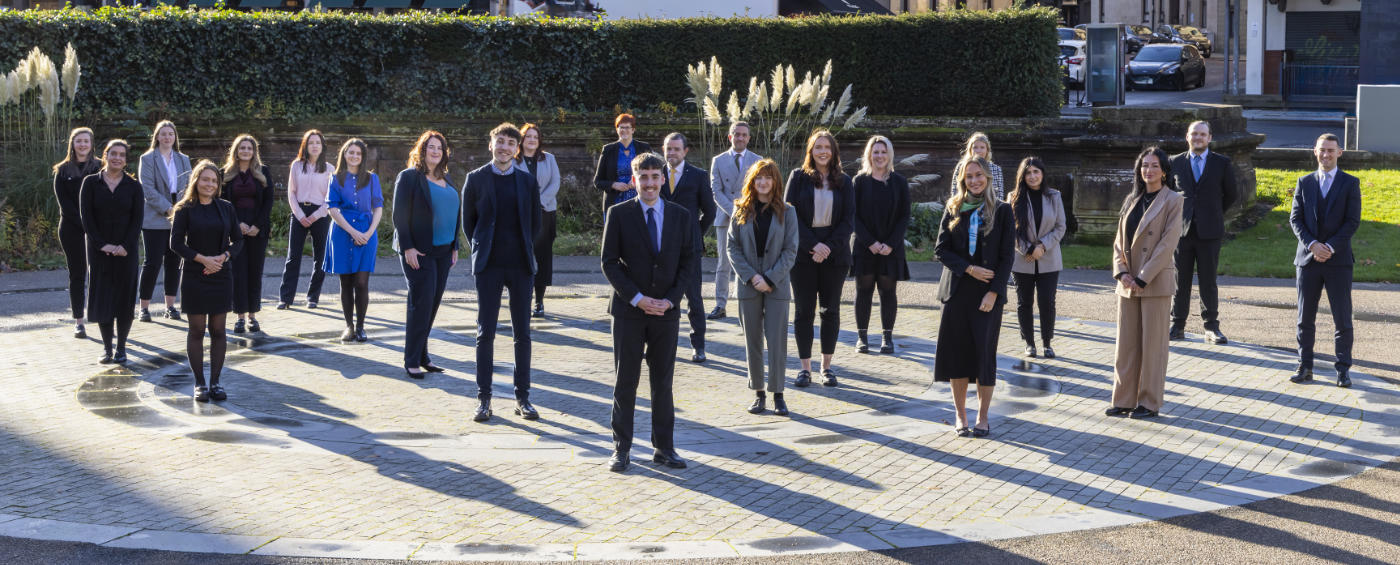
Your legal team
Senior solicitors on every matter
Your matter is handled by experienced solicitors who know Scots business law and will explain your options in plain English.

Billy Smith
Director and Solicitor. Set up the firm in 2010 to deliver legal services better.
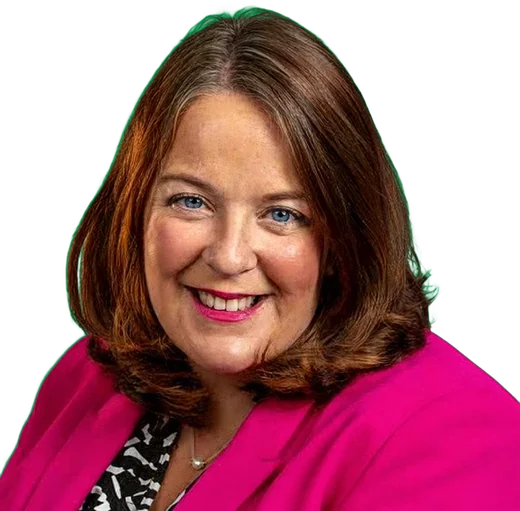
Emma King
Director and Solicitor. Joined in 2011 and keeps the firm’s service excellent.

Scott Stevenson
Associate Director. Calm, composed and logical under pressure.

Ciara Young
Associate Director. Trained with the firm from 2019.
Not sure who you need?
Tell us about your matter and we will put you in touch with the right solicitor.